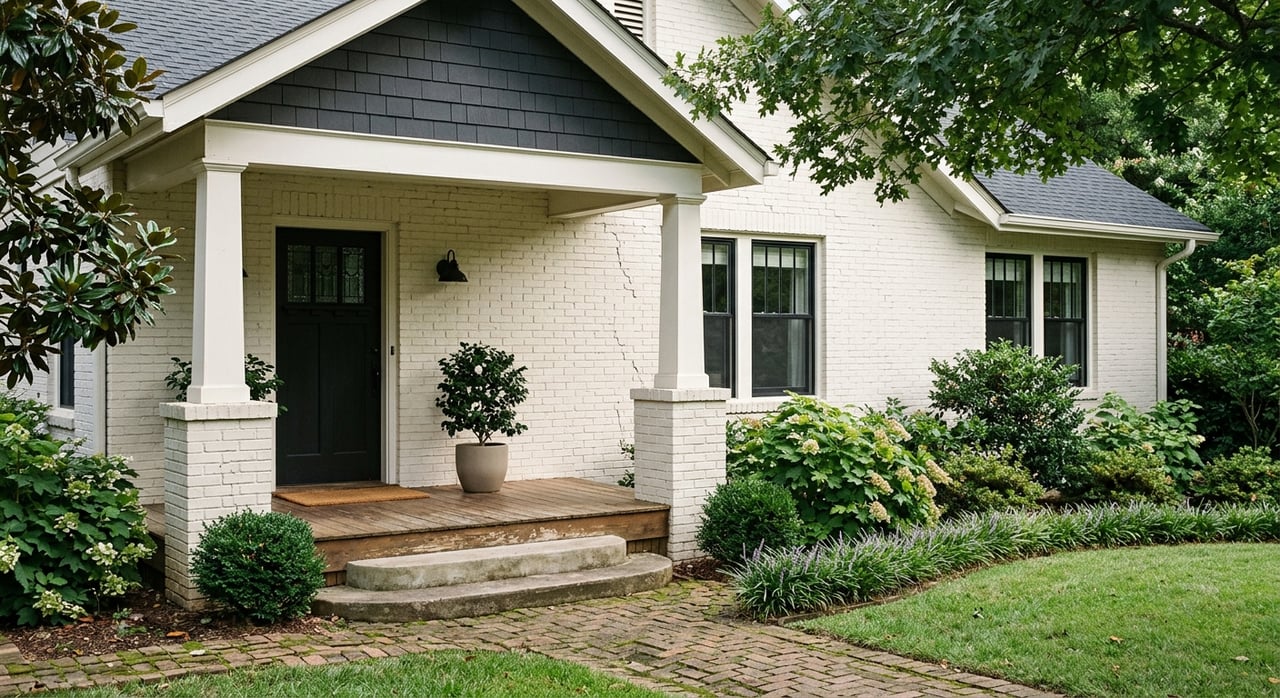
Trying to choose between a historic home and a newer one in Durham? You are not alone. For many buyers, this decision comes down to more than square footage or finishes. It is about lifestyle, maintenance, flexibility, and how you want your home to feel day to day. If you are weighing charm against convenience, this guide will help you compare the real tradeoffs in Durham so you can move forward with more confidence. Let’s dive in.
Durham has both older and newer housing
Durham is not a one-style housing market. City housing data show a mix of detached homes, attached homes, and multifamily properties, with detached single-family homes making up the largest share of the housing stock.
Older homes are also a meaningful part of the local market. Durham reports that 35% of all housing units were built before 1980, which means many buyers will come across older construction as they search.
A helpful way to think about Durham is through the city’s zoning tiers. The Urban Tier covers areas around historic downtown where development was concentrated before the 1960s, while the Suburban Tier is where much of the city’s future growth is expected to go.
Where older and newer homes tend to be
Older homes often cluster in established areas
Durham’s older housing is often tied to established neighborhoods and historic districts. The city identifies districts such as Trinity, Watts-Hillandale, Forest Hills, Morehead Hill, East Durham, Holloway Street, Fayetteville Street, and Golden Belt as part of its historic preservation fabric.
Many of these areas are in the Urban Tier or in compact neighborhoods near downtown. That often means mature streetscapes, distinctive architecture, and a setting that feels rooted in Durham’s history.
Historic does not always mean downtown
There is one important twist. Not every historic neighborhood in Durham is close to downtown.
Hope Valley, for example, is a National Historic District in the Suburban Tier. So if you love older homes, you may find them in either a more urban setting or a more suburban, larger-lot environment.
Newer homes tend to follow growth areas
Newer residential development in Durham is generally pointed toward the Suburban Tier. For buyers, that often means newer subdivisions, attached homes, and townhome communities in areas built for more recent growth.
This does not mean every newer home is far out or every older home is central. It does mean Durham’s housing patterns often reflect when and where the city expanded over time.
What many buyers love about historic homes
Character and design details
If you are drawn to older homes, the appeal is usually easy to understand. Local historic districts exist because an area has significance in history, architecture, or culture, and the city’s preservation rules are meant to protect the integrity of design, setting, materials, feeling, and association.
For you as a buyer, that often shows up as architectural detail, established surroundings, and a sense of place that can be hard to duplicate in newer construction. These homes can offer personality from the moment you pull up.
A stronger sense of neighborhood identity
Older neighborhoods often have a visual consistency that developed over decades rather than all at once. Streets, lot patterns, landscaping, and home styles may feel more layered and less uniform.
That kind of identity is a big reason many buyers choose older Durham neighborhoods. You may be buying not just a house, but also a setting with a distinct look and rhythm.
More location variety than many buyers expect
Historic homes in Durham are not limited to one type of lifestyle. Some are in more urban-core areas, while others are in suburban settings.
That gives you more flexibility if you want older architecture but have different priorities around lot size, layout, or daily routine.
What to watch for with older homes
Inspections matter even more
Older homes usually call for more careful due diligence. Because Durham has so much pre-1980 housing, buyers should pay close attention to age-related systems and materials.
North Carolina’s disclosure framework highlights key items to review, including the roof, chimneys, floors, foundation, plumbing, electrical, heating and cooling systems, pest history, zoning, restrictive covenants, and environmental issues such as lead-based paint, asbestos, radon, and other hazardous materials.
Pre-1980 homes may bring added questions
Durham treats pre-1980 construction as a proxy for lead-based-paint-era risk. That does not mean every older home has the same condition issues, but it does mean you should approach inspections and disclosures with care.
If you are considering an older home, it is smart to build time into your decision-making process so you can fully understand the property’s systems, repairs, and future upkeep.
Exterior changes may need approval
One of the biggest differences with some historic homes is renovation flexibility. If a home is in a local historic district or is a local historic landmark, Durham requires a Certificate of Appropriateness for many exterior or site changes.
That can include additions, roofing, siding, windows, landscaping, fencing, paving, and similar work. Interior changes do not require this review, and routine maintenance that does not change appearance, design, or materials is generally exempt.
Historic designation is not always the same thing
National Register and local designation are different
This is one of the most common points of confusion for buyers. In Durham, National Register designation and local historic designation are not the same.
According to the city, National Register listing provides recognition and access to federal and state tax credits for rehabilitation, but it does not by itself impose restrictions on the use, treatment, transfer, or disposition of private property.
Local historic districts bring review rules
Local historic designation is what triggers Durham’s exterior review process. So if you are comparing homes with a “historic” label, it is important to ask what kind of designation applies.
That one detail can shape how freely you can change the exterior in the future. For some buyers, that protection is a benefit. For others, it may feel too limiting.
What many buyers like about newer homes
More current layouts and systems
Newer homes often appeal to buyers who want fewer immediate repair questions and more contemporary floor plans. In Durham, newer growth areas commonly include subdivisions, attached homes, and townhome communities designed around more recent development patterns.
If you prefer a home that may need less near-term updating, newer construction can feel simpler from the start. That can be especially appealing if you are relocating and want a more predictable move.
Shared maintenance in some communities
Many newer Durham communities are planned communities under North Carolina law. These associations can maintain common elements, levy assessments, manage contracts, and keep records.
For you, that may translate into a more managed community structure and, in some cases, less personal responsibility for shared spaces. This can be attractive if you value a more streamlined ownership experience.
Consistency and community rules
Newer subdivisions and townhome communities often have more uniform exterior standards. Some buyers appreciate that consistency because it helps set expectations for appearance and upkeep.
At the same time, that structure comes with rules. You will want to understand the association’s standards before you decide a newer community is the right fit.
What to watch for with newer communities
Dues and special assessments are part of the model
A newer townhome or subdivision may sound low-maintenance, but that does not mean no-cost or no-rules. Association-governed properties can include dues, possible special assessments, and review processes for certain decisions.
North Carolina’s seller disclosure for association-governed property specifically asks about dues, special assessments, association services, pending lawsuits, and transfer fees. Those details deserve close review before you buy.
Documents matter just as much as the home
When you compare newer communities, do not stop at the floor plan or amenities. Review the declaration, bylaws, budget, reserves, and any resale or transfer obligations.
That paper trail can tell you a lot about how the community operates and what ownership will feel like over time. For many buyers, especially those seeking a simpler lifestyle, these details are just as important as the house itself.
Lifestyle and commute patterns to compare
Older areas may offer more central access
Durham’s commute picture is very neighborhood-specific. The county’s 2023 long-commute share was 22%, while 20.2% of workers were working from home in 2023.
That means location may affect your routine a lot, or only a little, depending on how you work. In general, older urban-core neighborhoods may reduce drive time to central jobs, restaurants, and amenities.
Newer areas may trade proximity for newer housing
Newer suburban communities often offer a different tradeoff. You may get newer housing, a more suburban layout, and shared-community features, but possibly with less proximity to central Durham destinations.
This is best treated as a tendency rather than a rule. Durham has enough variety that your exact location will matter more than the age of the home alone.
How to choose the right fit for you
If you love character, established surroundings, and the idea of owning something with history, an older Durham home may be a great match. Just be ready for more detailed inspections and, in some cases, added rules for exterior changes.
If you want more current systems, a more predictable ownership structure, or a community with shared maintenance, a newer home may suit you better. You will still want to review association documents carefully so there are no surprises.
The best choice usually comes down to your comfort with maintenance, your renovation goals, and how you want your daily life to work. If you are relocating to the Triangle or sorting through different Durham neighborhoods, a clear side-by-side comparison can save you time and stress.
Whether you are drawn to historic charm or newer convenience, the right guidance can help you compare your options with confidence. If you want personalized help narrowing down Durham neighborhoods and home styles, Karen Tehrani offers thoughtful, hands-on support for relocations, resale homes, and community-focused home searches across the Triangle.
FAQs
Are historic homes in Durham always heavily restricted?
- No. In Durham, local historic designation triggers exterior review through a Certificate of Appropriateness, while National Register listing alone does not automatically restrict private property changes.
Should you inspect older homes in Durham more carefully?
- Yes. Older homes often require closer review of the roof, foundation, plumbing, electrical, heating and cooling systems, pest history, and environmental issues such as lead-based paint, asbestos, and radon.
Are all historic neighborhoods in Durham near downtown?
- No. Many are in or near the Urban Tier, but Hope Valley is a National Historic District in the Suburban Tier, which shows that historic areas can also have a more suburban setting.
Do newer townhomes in Durham always mean low maintenance?
- Not necessarily. Many newer communities offer shared maintenance through an association, but buyers should still review dues, special assessments, transfer fees, and community rules.
What should you review before buying in a newer Durham community?
- Review the declaration, bylaws, budget, reserves, association services, unpaid assessments, and any resale or transfer obligations so you understand the full ownership structure.
How do Durham commute patterns affect the choice between older and newer homes?
- In general, older urban-core neighborhoods may offer more central access, while newer suburban communities may offer newer housing and community features with a different location tradeoff. Exact commute impact depends on the specific neighborhood and your work routine.