If you price your Cary home too high, you risk missing the most important window of buyer attention. If you price it too low, you may leave money on the table. In a market that is still active but becoming more strategic, the right price is not guesswork. It is a careful blend of local data, comparable sales, condition, and timing. Let’s dive in.
Cary pricing starts with today's market
Cary remains a competitive market, but it is not a market where sellers can ignore pricing. In May 2026, Redfin reported a median sale price of about $630,000, homes selling in around 22 days, and a 99.5% sale-to-list ratio. It also found that 31.9% of homes sold above list, while 29.0% had price drops.
That mix tells you something important. Well-priced homes can still move quickly, but buyers are not simply accepting any number a seller chooses. As inventory rises and buyers take more time, pricing strategy matters from day one.
Realtor.com adds another layer to the picture with listing-side data. It reported a median listing price of $616,000, 790 active listings, and year-over-year increases in both active listings and days on market. Together, those trends suggest that sellers in Cary need a sharper, more tailored approach than they may have needed in a tighter market.
Cary neighborhoods vary more than you think
One of the biggest pricing mistakes is relying on a single Cary-wide average. Cary has meaningful differences by area, price point, and ZIP code, so your home should be priced against its true local competition.
For example, Realtor.com shows West Cary at $639,000 with 29 days on market, Cary Town Center at $692,000 with 51 days on market, Cary Park at $375,000 with 39 days on market, and Preston at $1.197 million with 28 days on market. ZIP code data also varies, from $534,000 in 27513 to $717,500 in 27518.
That means a home in Preston should not be priced the same way as a similar-size home in another part of Cary. Even within the same town, buyer expectations, available inventory, and pace of sales can differ. A neighborhood-level strategy is what helps you land in the right range.
What a strong CMA should include
A comparative market analysis, or CMA, is one of the most useful tools for pricing your home. NAR defines comps as similar properties that have recently sold in the same area, and those comps are used to help estimate a realistic asking price.
A strong CMA should include:
- Recently sold homes
- Homes currently on the market
- Homes that are under contract
- Similar properties in size, layout, bedroom and bathroom count, and style
- Adjustments for condition, lot, updates, and location within Cary
Realtor.com notes that good comps are ideally from the past six months to a year. The most helpful comparisons are homes with similar square footage, bed and bath counts, and overall condition.
This is where personalized guidance matters. A city average cannot tell you how buyers may react to your cul-de-sac lot, first-floor primary suite, screened porch, or updated kitchen. A detailed CMA can.
Why online estimates are only a starting point
Online home-value tools can be convenient, but they are not enough to price a home with confidence. Bankrate notes that automated estimates often miss things like current condition or upgrades that are not reflected in public records.
That is especially important in Cary, where presentation and updates can influence value quickly. Two homes with the same square footage may perform very differently if one feels move-in ready and the other needs work.
An in-person review gives you a fuller picture. It allows your agent to evaluate strengths, weaknesses, layout flow, and buyer appeal in a way an algorithm cannot.
Condition shapes price more than many sellers expect
Price is not just about square footage. Buyers also react strongly to how a home looks, feels, and shows.
Redfin’s 2026 spring seller guide says nearly 75% of agents report that overall condition is the first thing buyers notice. It also says more than 76% believe buyers most want homes that feel move-in ready, with no major repair issues and updated core systems.
That does not mean you need a full renovation before listing. In many cases, selective improvements make more sense than expensive projects.
Useful pre-listing updates may include:
- Fresh neutral paint
- Updated light fixtures
- Pressure washing
- Simple landscaping
- Decluttering and deep cleaning
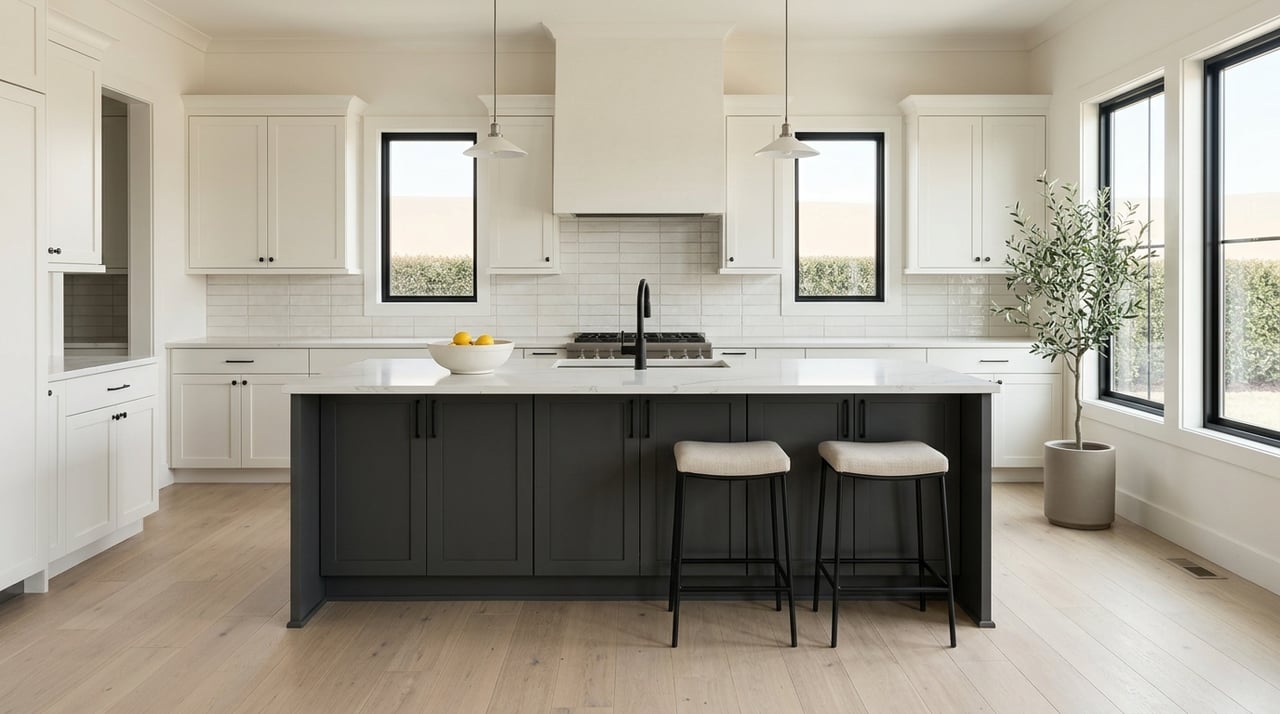
- Minor kitchen or bathroom refreshes
- Exterior touch-ups that improve first impressions
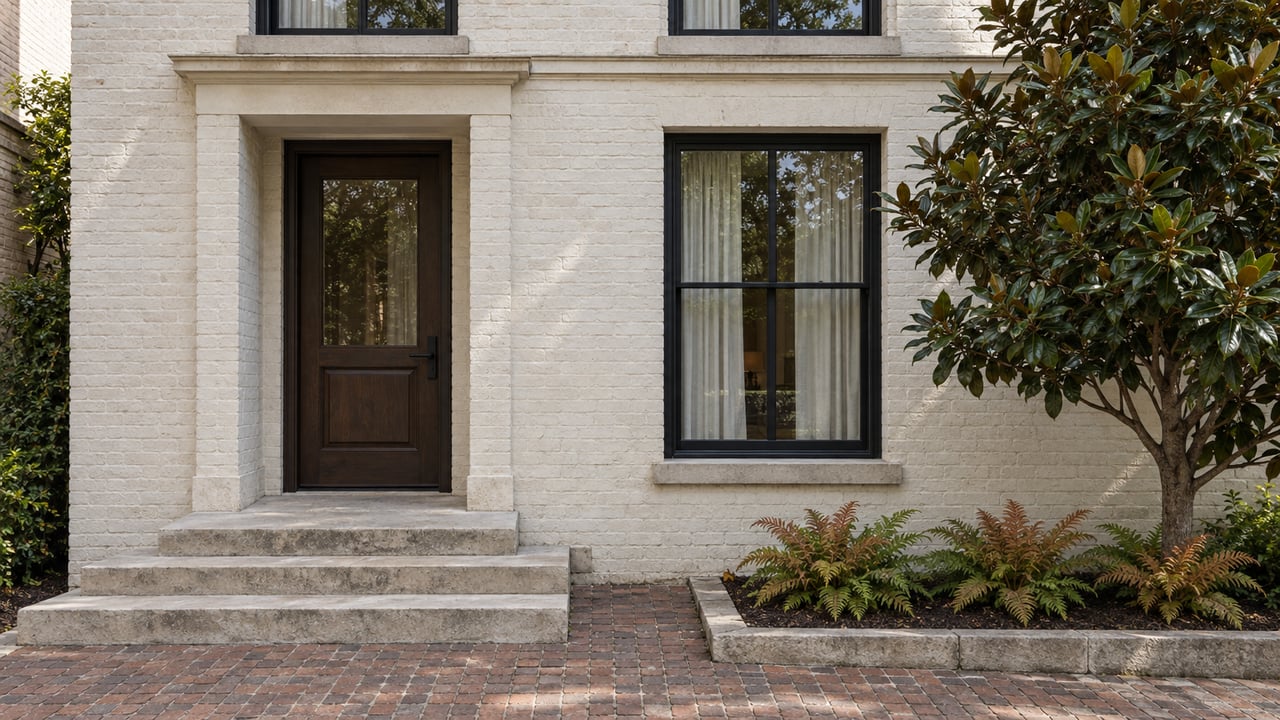
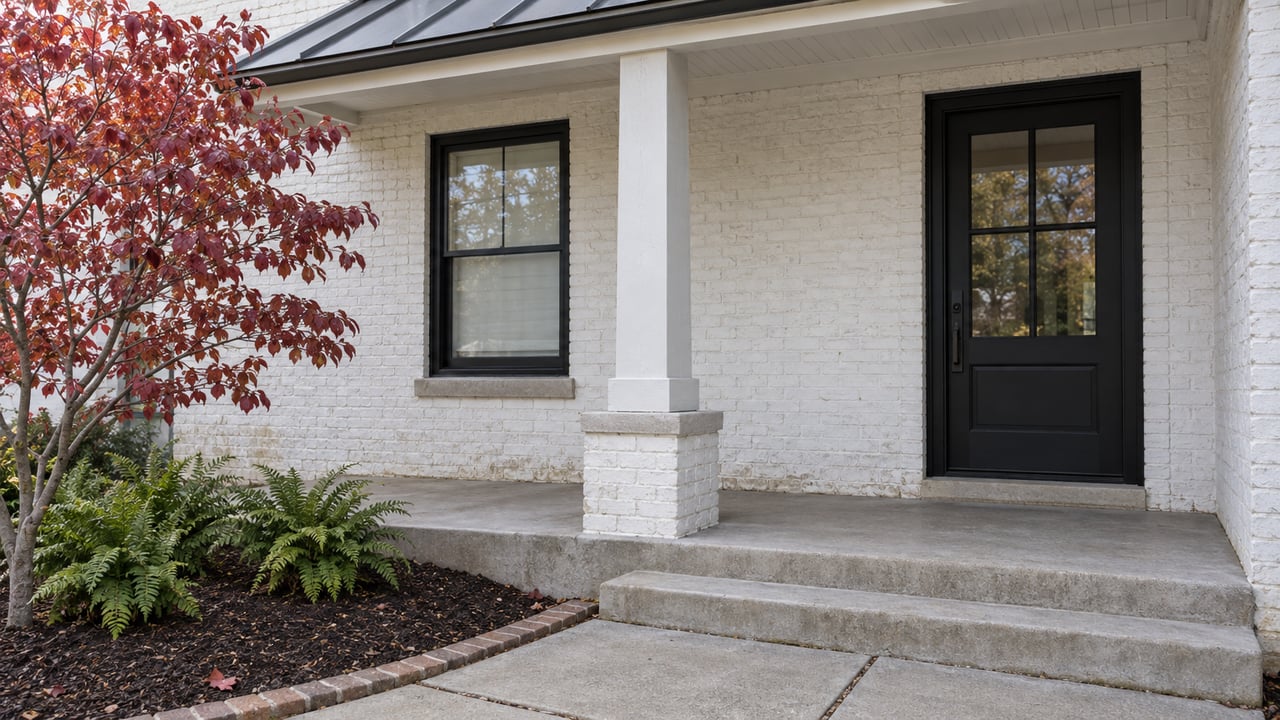
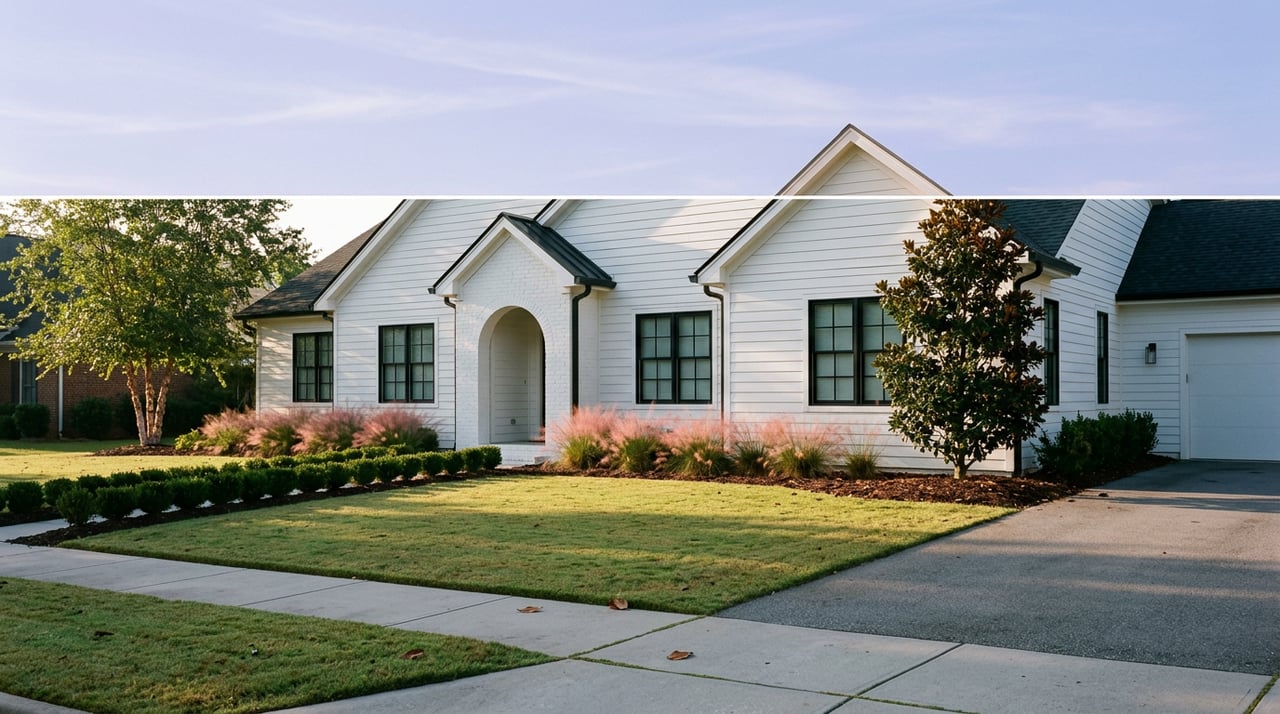
NAR also points to curb appeal as a meaningful value driver, with research showing it can raise perceived value by as much as 7%. In practical terms, buyers often form an opinion before they even walk through the front door.
Price for the first month, not the third
The first few weeks on the market are often your best chance to attract serious buyers. Realtor.com’s June 2026 sale-to-list analysis found that homes closing about four weeks after listing achieved the best sale-to-list outcomes.
Once a listing sits too long, buyer psychology can change. Instead of asking, “Is this the one?” buyers may start wondering what is wrong with it. That shift can lead to weaker offers or price reductions.
This is why overpricing is risky, even in a desirable market like Cary. Starting too high can cost you momentum, and regaining that momentum later is not always easy.
How season affects your pricing strategy
Seasonality still matters. NAR says resale activity typically rises in spring and summer and slows in winter, and Realtor.com also notes that spring is often one of the best times to sell.
In the Greater Raleigh area, spring has traditionally been a busy selling season. But more activity also means more competition. If your home hits the market in spring, your price and presentation need to stand out among other fresh listings.
In a slower season, a thoughtful price can help your home capture attention when fewer buyers are shopping. In either case, timing helps, but timing does not replace strategy.
A practical way to price your Cary home
If you want to price your home to sell, think in terms of a process rather than a guess. The goal is to position your home where buyers see value quickly and act with confidence.
Here is a smart framework:
Review hyper-local comps
Look first at nearby sold homes that closely match your property. Then compare those with current active and pending listings so you can see both proven values and current competition.
Adjust for your home's specifics
Your price should reflect the details that make your home more or less competitive. Condition, updates, lot size, layout, outdoor space, and neighborhood location all influence how buyers compare your home to others.
Factor in days on market
Pay attention to how quickly similar homes are moving. If comparable homes are taking longer to sell, that may be a sign buyers are becoming more selective at that price point.
Account for season and inventory
A spring listing may benefit from stronger buyer demand, but it may also face more competing homes. A larger pool of active listings can make precise pricing even more important.
Avoid testing the market too high
Aspirational pricing can backfire if it causes your listing to linger. In many cases, the strongest result comes from pricing realistically from the start and creating urgency early.
The goal is not just to list
The real goal is not to name a number and hope for the best. It is to create the right combination of value, interest, and momentum so your home attracts qualified buyers and sells on strong terms.
In Cary, that usually means looking beyond broad averages. It means understanding your part of town, your competition, your home’s condition, and how buyers are behaving right now. When those pieces come together, pricing becomes a strategy, not a gamble.
If you want a pricing plan built around your home, your neighborhood, and today’s Cary market, Karen Tehrani can help with a personalized home valuation and thoughtful, hands-on guidance.
FAQs
What should a CMA include for a Cary home?
- A CMA for a Cary home should include recent sold, active, and under-contract comparable properties, plus adjustments for size, layout, condition, updates, lot, and location within Cary.
Why are Cary-wide average prices not enough?
- Cary-wide averages do not capture the big differences between local areas such as West Cary, Preston, Cary Park, and different ZIP codes, where both pricing and days on market can vary significantly.
How much does condition affect Cary home pricing?
- Condition can strongly affect pricing because buyers often notice overall condition first and tend to prefer homes that feel clean, well-maintained, and move-in ready.
Should you price higher to leave room for negotiation in Cary?
- Pricing too high can hurt early momentum, especially because the first month on the market is often the most important for attracting strong interest and better sale-to-list outcomes.
When is the best time to list a home in Cary?
- Spring and summer are generally active selling seasons, but the best timing still depends on your competition, your home’s condition, and whether your price matches current buyer expectations.