If you are deciding between a townhome and a condo in Durham, you are not alone. Both options can offer lower-maintenance living, but they work a little differently when it comes to ownership, monthly costs, and day-to-day lifestyle. The good news is that once you understand those differences, it becomes much easier to choose the property that fits how you want to live. Let’s dive in.
Condo vs. townhome basics
At a glance, condos and townhomes can seem similar, especially if you are focused on price point or maintenance. In Durham, though, the biggest difference often starts with what you actually own.
A condominium generally means you own the interior space of your unit, while the building structure and land are owned in common with other owners. Durham’s development rules and North Carolina law both treat condos this way, and they typically place responsibility for common elements with the association. You can review Durham’s housing type definitions in the Unified Development Ordinance.
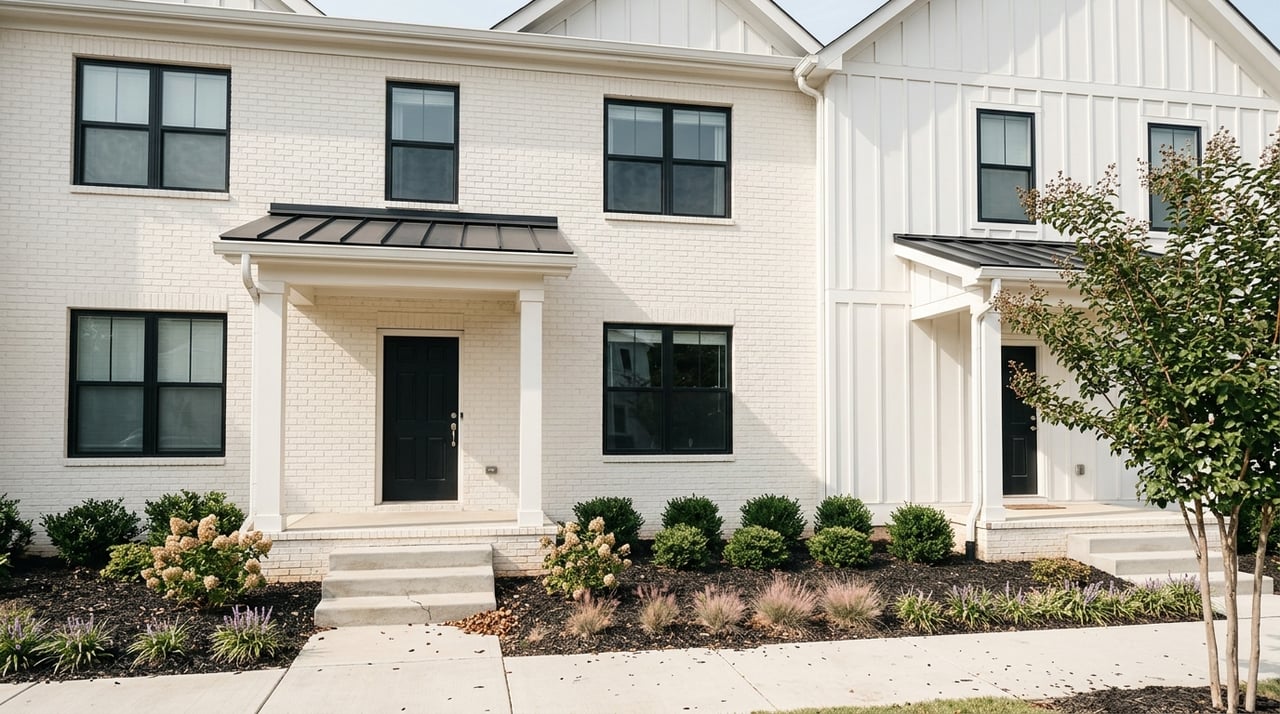
A townhouse, by contrast, is defined in Durham as a building with three or more attached dwelling units on individual lots that share side walls. That often gives a townhome a more house-like feel, even when it is still part of an HOA or planned community. Durham’s same housing type standards explain why townhomes can feel more urban in some areas and more residential in others.
Ownership matters more than style
One of the most important things to know is that building style and legal structure are not always the same thing. A home that looks like a townhome may still sit inside a planned community with shared rules, shared expenses, and association oversight.
Under North Carolina planned community law, an association may regulate the use, maintenance, repair, replacement, and modification of common areas and assess owners for common expenses. That is why you should always review the declaration, bylaws, and fee structure before you fall in love with a property. The legal framework is outlined in North Carolina General Statutes Chapter 47F.
Monthly cost in Durham
If you are comparing a condo and a townhome in Durham, do not stop at the list price. As of February 2026, Durham’s median home sale price was $399,000, and homes were averaging about 74 days on market, according to the Durham housing market data. In this kind of market, your total monthly carrying cost often matters more than the sticker price.
That total cost usually includes:
- Mortgage payment
- Property taxes
- Homeowners insurance
- HOA or condo dues
- Utilities
- Possible maintenance reserves
The Consumer Financial Protection Bureau notes that HOA or condo dues are usually separate from your mortgage payment and can range from a few hundred dollars a month to more than $1,000 a month. Those fees may cover items like trash service, mowing, or shared amenities, but what is included can vary widely from one community to another.
For Durham buyers, there is also a small local cost to keep in mind. The City of Durham lists the annual stormwater utility Tier 1 rate for individually owned townhomes and condominiums at $68.40 per year.
HOA dues and special assessments
Many buyers assume the lower-maintenance option is always the better financial choice. Sometimes it is, but sometimes the monthly dues change the picture.
The North Carolina Housing Finance Agency notes that condo and townhome owners can face special assessments for major repairs, such as roof replacement, and that HOA costs may be higher when more of the property is shared. That means a condo with a lower purchase price may not always have the lower monthly cost, especially if the dues are high or large projects are coming. Their guidance on townhome or condo considerations is helpful for understanding this tradeoff.
If you are looking at a condo, financing can also be slightly different. The CFPB notes that some lenders may charge a bit more for condo loans, which is one reason it is smart to compare multiple loan estimates before you decide.
Where condos tend to fit in Durham
In Durham, condos often line up well with buyers who want a more central, connected lifestyle. The city’s comprehensive planning materials describe downtown as a walkable area with connected sidewalks, bike lanes, and transit access, and they identify housing types there that include apartments, condominiums, lofts, and townhouses. You can see that framework in Durham’s comprehensive plan materials.
That pattern makes downtown one of the clearest places to look if you want a condo-oriented lifestyle. Recent city materials also highlight downtown condominium development, including projects with features like resident parking, storage, fitness space, and club rooms. One example appears in this City of Durham project document.
Where townhomes tend to fit in Durham
Townhomes show up in a wider range of Durham settings, including growth areas outside the downtown core. They can appeal to buyers who want a lower-maintenance home but still prefer a more traditional entry, multiple levels, or a bit more separation than a condo building usually provides.
The city has also identified transit-oriented growth areas where townhomes and multifamily housing have been part of recent development. For example, the Page/Miami Design District has seen townhomes and apartments on its western edge over the last decade. Durham’s planning approach helps explain why many townhome communities feel compact and connected rather than suburban in the traditional sense.
Which option fits your lifestyle
For many buyers, this decision comes down to lifestyle more than square footage. The North Carolina Housing Finance Agency says condos often fit people who want the lowest-maintenance lifestyle, while townhomes often fit buyers who still want reduced upkeep but prefer a more house-like setup with a little more separation from neighbors. Their broader housing choice guidance supports that general pattern.
Here is a simple way to think about it:
A condo may be a better fit if you:
- Want minimal exterior maintenance
- Prefer a central or walkable location
- Value amenities more than private outdoor space
- Are comfortable with shared building systems and common spaces
A townhome may be a better fit if you:
- Want a more house-like ownership feel
- Prefer your own entrance and attached-lot layout
- Still want lower maintenance than a detached home
- Care more about privacy and separation than building amenities
Questions to ask before you decide
No matter which direction you are leaning, the documents matter. This is especially true if you are relocating to Durham or buying your first home here.
Before making an offer, ask for:
- The current HOA or condo dues
- A list of what the dues cover
- Any recent or pending special assessments
- Rules for exterior changes, parking, and storage
- Reserve or maintenance information, if available
The CFPB recommends that buyers compare multiple Loan Estimates, share tax and HOA information with lenders, and confirm whether dues will be escrowed into the monthly payment. The North Carolina Housing Finance Agency also points out that HOA rules may cover everyday details like exterior changes, parking, trash bins, and maintenance, which makes reviewing community documents especially important. You can read more in their HOA overview, What to Know About HOA.
The Durham bottom line
In Durham, condos generally make the most sense if you want downtown access, shared amenities, and very little exterior upkeep. Townhomes usually make more sense if you want a lower-maintenance home that still feels a bit more like a traditional house.
The right answer is not just about purchase price. It is about your monthly budget, how much maintenance you want to handle, what kind of location you prefer, and how comfortable you are with HOA rules and shared expenses. If you want help comparing Durham options with a clear eye on lifestyle, fees, and long-term fit, Karen Tehrani offers personalized guidance for buyers across the Triangle.
FAQs
What is the main difference between a condo and townhome in Durham?
- In Durham, a condo usually means you own the interior of the unit while common areas and the building structure are shared, while a townhome is typically an attached home on an individual lot with shared side walls.
Are condo fees and HOA dues included in a mortgage payment in Durham?
- Usually not. The CFPB says condo fees and HOA dues are often paid separately from your mortgage, though some lenders may escrow them in certain situations.
Are Durham condos cheaper than Durham townhomes?
- Not always. A condo may have a lower list price, but higher dues or financing costs can change the total monthly payment, so it is important to compare the full carrying cost.
Where are condos most common in Durham?
- Condos are often associated with downtown Durham, where the city’s planning materials highlight walkability, transit access, and mixed-use residential development.
What should buyers review before buying a Durham townhome or condo?
- You should review the HOA or condo documents, monthly dues, what those dues cover, any recent or pending special assessments, and any community rules that may affect daily living.