Picture your mornings on a greenway stroll, afternoons at a fitness class or book club, and evenings free from yard work. If that sounds like your next chapter, Cary’s 55+ communities may be a great fit. You want clarity on how these neighborhoods work, what they cost, and how to choose the right one. This guide breaks down the essentials and gives you a practical checklist to use as you tour options in and around Cary. Let’s dive in.
What 55+ living means
Active-adult, or 55+, communities are designed for independent living with amenities and services geared to older adults. They are not assisted living or medical facilities. Some are neighborhoods within larger master-planned developments, while others are stand-alone, lifestyle-focused communities.
Under federal law, the Housing for Older Persons Act allows age-restricted housing as long as at least 80% of occupied homes have one resident age 55 or older. Communities must have policies and verification procedures to qualify. This is different from a Continuing Care Retirement Community, which offers a continuum of care from independent living to assisted living and skilled nursing.
Why Cary works for 55+ lifestyles
Cary sits in Wake County at the heart of the Research Triangle. You have convenient access to Raleigh, Durham, and Chapel Hill for culture, dining, and regional events. RDU International Airport is close enough to make visiting family or traveling simple.
Healthcare access is a major draw. The area is served by large systems that include WakeMed, Duke Health, and UNC Health. Town amenities are also a plus. Cary maintains parks, greenways, community centers, and a year-round calendar of programs for adults. Regional transit connections and local routes can support everyday trips, while community shuttles are available in some neighborhoods.
Home types you will find
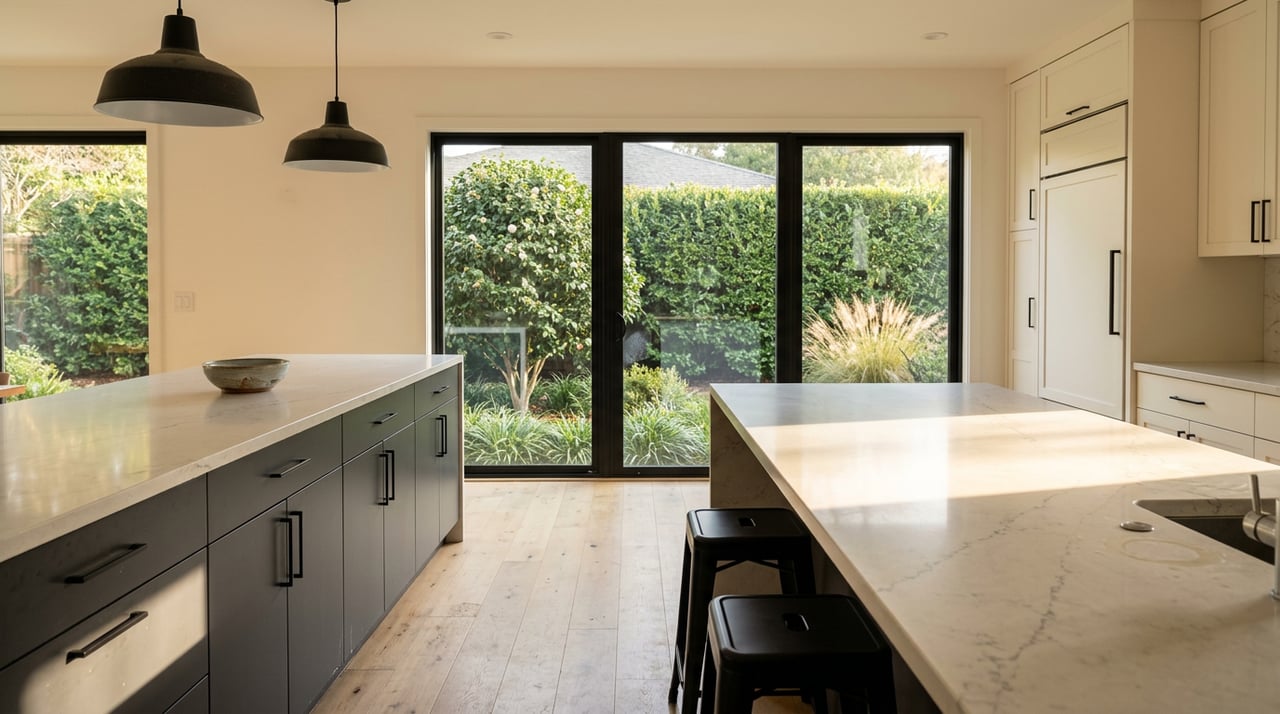
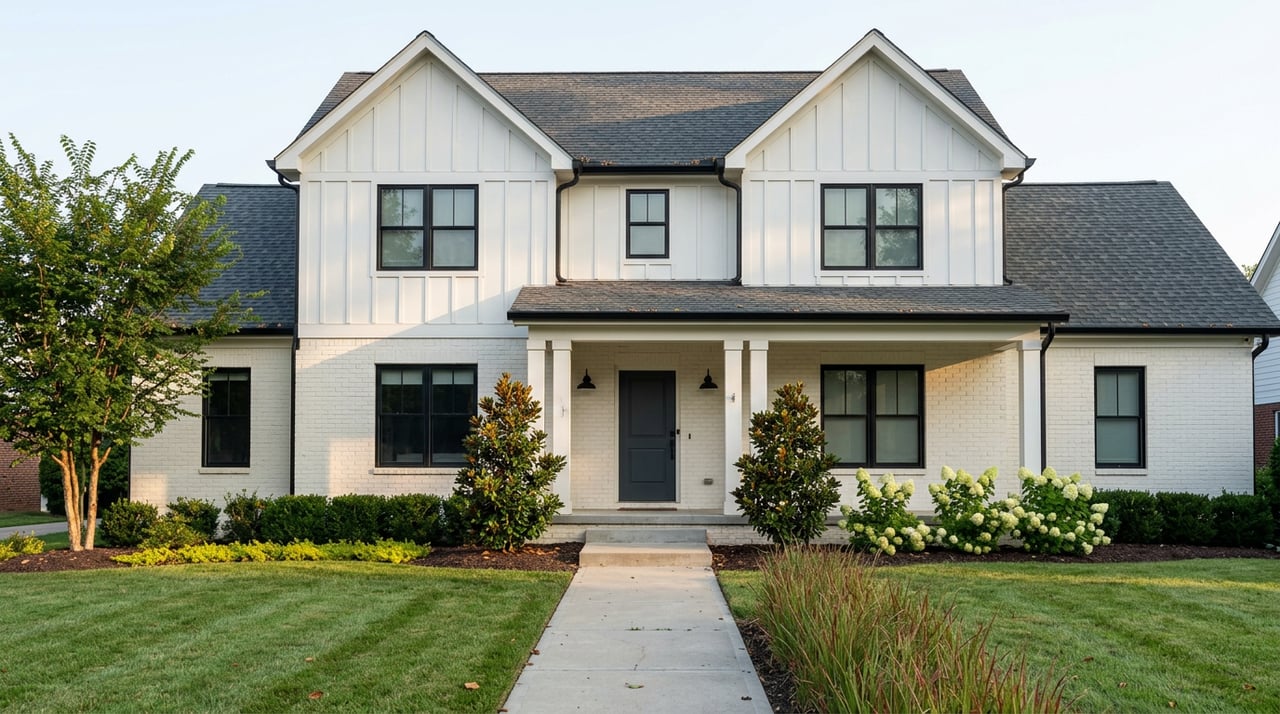
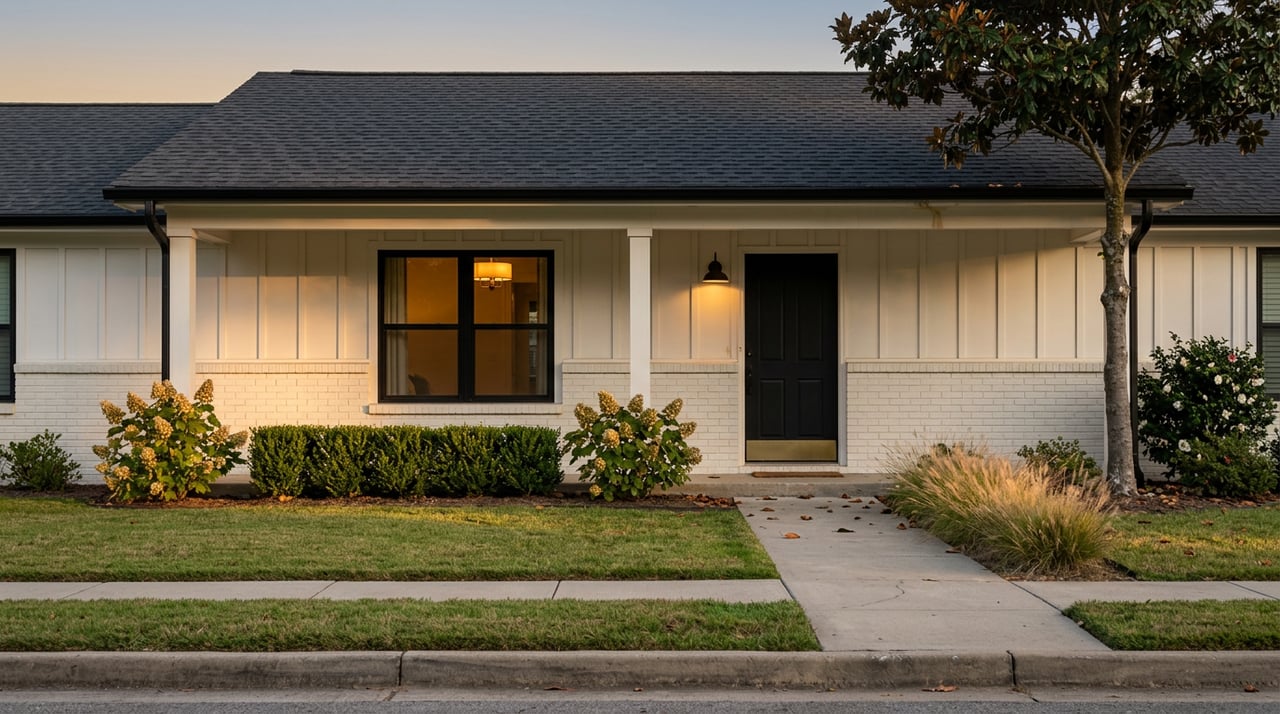
Expect low-maintenance options such as ranch-style single-family homes, patio homes, townhomes, and some condominiums. Many floor plans emphasize main-level living with flexible guest spaces. Builders often include features that help you age in place.
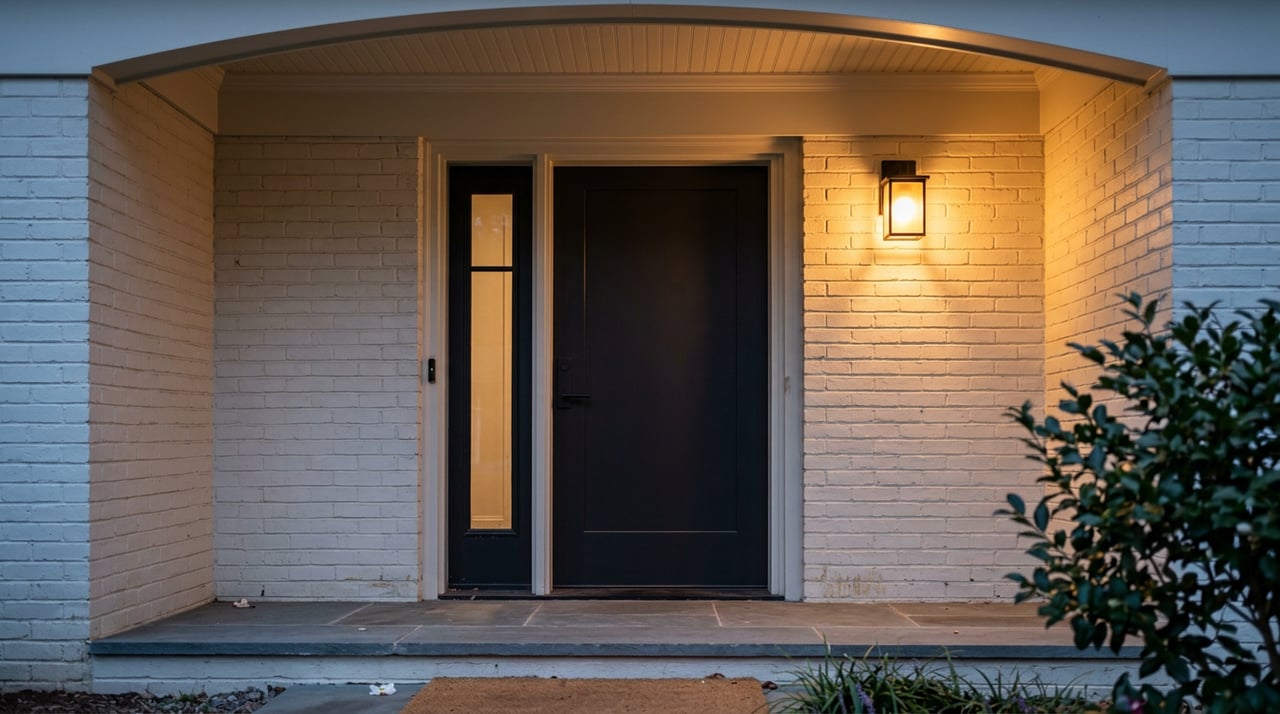
Common design elements include wider doorways, step-free entries, main-floor suites, and low-threshold showers. Availability varies by community and year built, so review floor plans and confirm features during tours.
Daily life and amenities
Active-adult communities focus on connection, wellness, and convenience. While each neighborhood is different, you will often see:
- Social spaces and clubs: a clubhouse, multipurpose rooms, arts and crafts, game nights, and interest groups.
- Fitness and wellness: a fitness center, group classes like yoga or aquatics, walking groups, and wellness talks.
- Outdoor amenities: pools, sidewalks or trails, landscaped common areas, and sometimes putting greens.
- Maintenance services: lawn care and exterior maintenance are common; check what is included.
- Transportation and access: some communities offer shuttles to shopping or medical appointments; public transit connections may be nearby.
- Dining and events: on-site catering for social events is common, but daily meal service is uncommon unless you are in a CCRC.
Costs and HOAs: what to expect
Every 55+ community has its own cost structure. Budget for the following:
- HOA dues to cover common-area maintenance, amenities, management, and reserves.
- Special assessments for capital projects if reserves fall short.
- Property taxes and homeowners insurance based on your home and location.
- Optional activity, class, or club fees.
Risks to watch include rising dues, unexpected assessments, and changes to amenities. If the community is newer, ask about the developer control period and how that affects decisions and budgets.
Rules and governance to review
Before you make an offer, request and read the association documents. These set the tone for daily life and long-term value.
- Covenants, bylaws, and rules define occupancy, rental limits, pet policies, parking, and exterior standards.
- HOPA policies explain age verification, documentation, and guest rules.
- Budgets, financials, and reserve studies show fiscal health and planning.
- Recent meeting minutes reveal upcoming projects, conflicts, or potential assessments.
- Insurance certificates clarify what the master policy covers versus your personal policy.
Smart buyer checklist for Cary 55+
Use this checklist to compare options with confidence.
Questions to ask
- Is the community age-restricted and HOPA-compliant? What documents are required for age verification?
- What is covered by HOA dues? Lawn, roof, exterior paint, internet, water, and trash?
- What are current dues, planned increases, and any recent or upcoming assessments?
- Is there a reserve study? What is the reserve funding level?
- Are rentals allowed or capped? What is the owner-occupancy ratio?
- What are the pet, guest, caregiver, and parking rules?
- What social programs are active, and what costs extra? Are there transportation options for shopping or medical visits?
Documents to obtain
- Full CCRs and bylaws, rules and regulations, current budget, most recent financial statements, reserve study, last 12–24 months of board meeting minutes, and a certificate of insurance.
What to do on visits
- Tour on a weekday and weekend. If possible, attend a community event.
- Speak with residents about maintenance responsiveness and the social calendar.
- Test drive times to your preferred healthcare providers and frequent destinations.
- Walk the home for accessibility: entry thresholds, door widths, bathroom layouts, and options to add grab bars or a stairlift.
Resale considerations
- Review recent comparable sales in the community and nearby 55+ neighborhoods.
- Confirm marketing and rental restrictions that may influence the buyer pool.
- Ask about demographics and demand for 55+ homes in Cary and adjacent suburbs.
Cary vs nearby suburbs: how to compare
- Amenities: Cary is known for town-managed parks, greenways, and planned neighborhoods. Raleigh offers more urban amenities, while towns like Apex or Holly Springs often feature newer master-planned developments.
- Healthcare access: The Triangle’s major health systems serve the region. Compare drive patterns from each town to the facilities you will use most.
- Commute and travel: Proximity to RTP and RDU can be a deciding factor if you plan part-time work or frequent travel.
- Housing product and density: Expect a mix of single-level homes, townhomes, and condos. Availability shifts with new construction cycles.
Is a 55+ community right for you?
Choose an age-restricted community if you want low-maintenance living, consistent exterior standards, and a built-in social calendar. These neighborhoods work well if you value connection and convenience. They are also appealing if you travel often and want lock-and-leave peace of mind.
If you expect near-term medical or daily living support, a CCRC or licensed assisted living may be a better fit. Active-adult communities are residential and do not provide medical care.
Your next steps
- Clarify your must-haves: home type, single-level needs, and desired amenities.
- Shortlist communities that fit your budget and lifestyle.
- Request full HOA documents early and review them carefully.
- Tour at different times of day and talk to residents.
Ready for a personal walk-through of Cary’s 55+ options, plus help comparing dues, amenities, and resale trends? Connect with Karen Tehrani for a tailored community consultation.
FAQs
What is a 55+ community and how is it different from a CCRC?
- A 55+ community is age-restricted housing designed for independent living with amenities, while a CCRC includes a continuum of care that can extend to assisted living and skilled nursing.
How does age verification work under HOPA in 55+ neighborhoods?
- Communities keep written policies and verify that at least 80% of occupied homes have one resident 55 or older, typically using IDs or affidavits during purchase or occupancy.
What amenities do Cary-area 55+ communities usually offer?
- You often see clubhouses, fitness centers, group classes, pools, walking paths, and social clubs, with some communities adding shuttles or on-site event catering.
What HOA costs should I expect in a 55+ community?
- Budget for monthly or quarterly dues that cover common-area upkeep and amenities, plus potential special assessments, and optional fees for classes or clubs.
Are rentals allowed in Cary 55+ communities?
- Policies vary. Some communities restrict or prohibit rentals, while others allow them with limits. Always confirm current rules with the HOA.
How can I evaluate if a home suits aging in place?
- Look for single-level layouts, step-free entries, wider doors, and bathrooms that can accept grab bars, along with space for future modifications if needed.