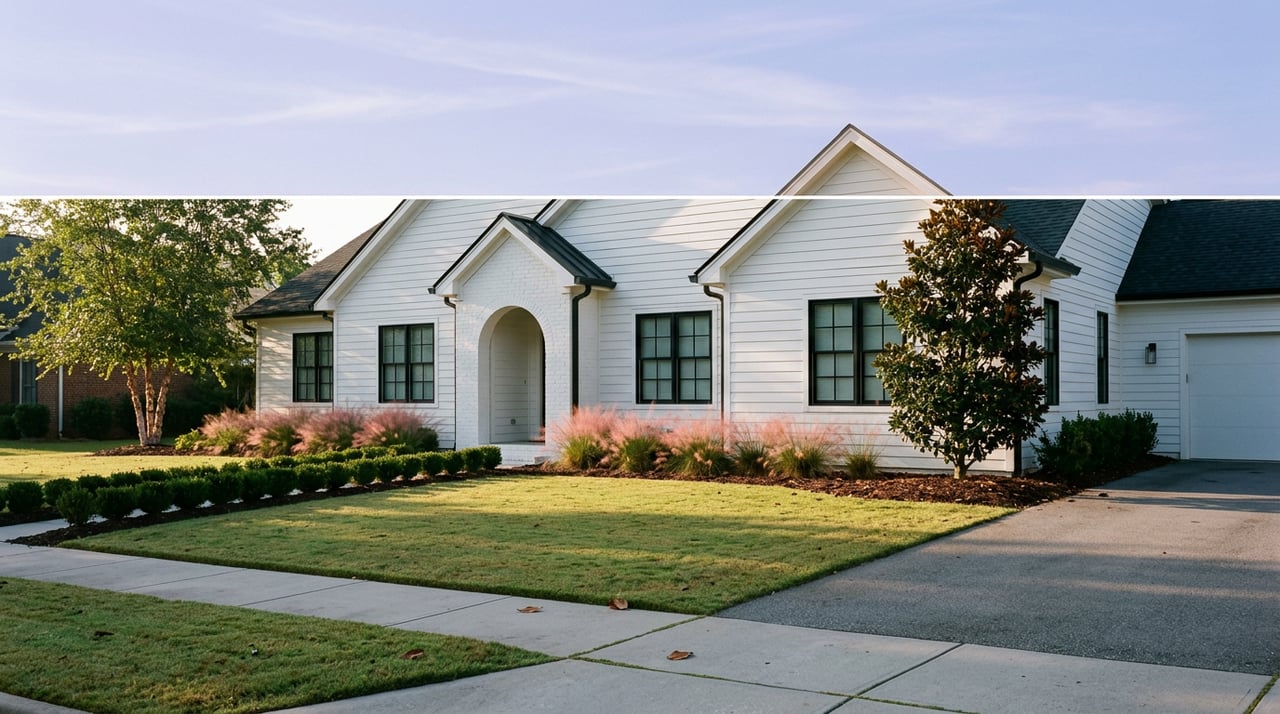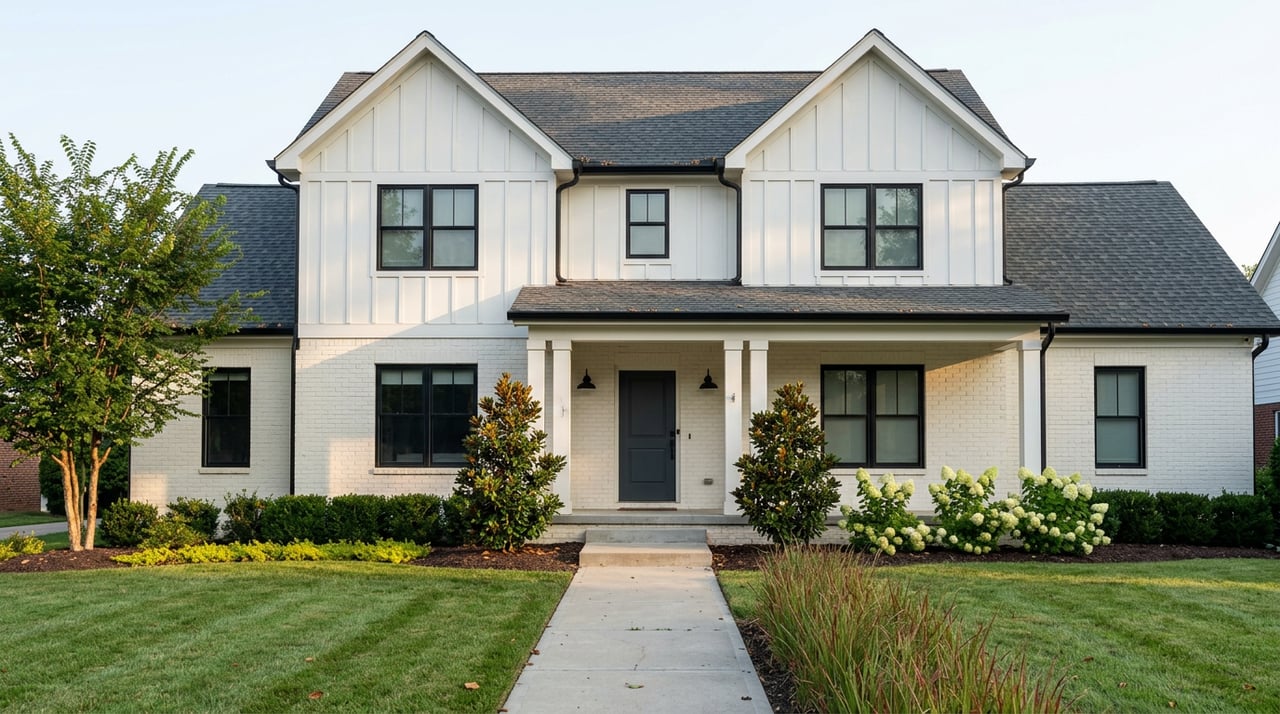
Punch Bowl Social is taking over a bowling alley. The Left Hook Coffee moved into a laundromat. Madeleine, the bakery arriving in Smoky Hollow this fall, is setting up inside what used to be Tucker Street Diner. None of Raleigh's most talked-about fall arrivals broke ground on empty lots. They all walked into buildings that already had a job, and picked up where the last tenant left off.
That's not a coincidence worth a shrug. Look at where these openings are landing and a pattern shows up that says something real about which blocks in this city already know how to hold foot traffic, and which ones are still learning.
The Bowling Alley, The Laundromat, The Diner
Start with the most literal example. Raleigh Iron Works' former Jaguar Bolera location, once a bowling alley, is getting new life as Punch Bowl Social, with plans for a bar, arcade, and game area built into the existing footprint. The building didn't need a new identity. It needed a new operator willing to bet that people who already came here to bowl would come back for cocktails and skee-ball.
Downtown, a similar swap happened on Hargett Street. The Left Hook Coffee opened its first brick-and-mortar in the former Hargett Street Laundromat, keeping the neighborhood habit of stopping on that block intact while changing what's actually for sale inside. And in Smoky Hollow, the coffee shop residents have apparently been waiting on for a while is arriving this fall in the old Tucker Street Diner space. Madeleine, a cafe and bakery from the team behind Iris Coffee Lab, is stepping into a spot that already had a built-in breakfast crowd.
None of these are renovations in the sense of restoring something historic for its own sake. They're businesses reading foot traffic patterns that already existed and deciding not to fight them.
Why Old Addresses Keep Winning
The clearest proof that this isn't a compromise move sits on Brookside Drive. Big Cat, the collaboration between Cheetie Kumar and Paul Siler of Ajja, Angela Salamanca and Marshall Davis of Mala Pata, and Justin Pasfield of Locals Seafood and Person Street Bar, took over the former Otomi Comida space and turned it into one part restaurant, one part bar, one part market. Six months after opening, it landed on the New York Times' list of the country's best places to eat. A quiet residential corner did that, not a flagship downtown address.
The math behind these decisions is simpler than it looks from the outside. A building that already operated as a restaurant or a gathering spot has parking figured out, has neighbors used to cars coming and going at certain hours, and has already cleared whatever permitting hurdles come with feeding or serving people at that address. Starting over on raw land means solving all of that from zero. Reusing a known address means solving almost none of it.
Salvage Yard Is Stacking Faster Than Anywhere Else
If reuse explains why individual businesses pick certain buildings, it doesn't explain why Raleigh Iron Works has absorbed more of this activity in a single summer than any other part of the city. The Salvage Yard expansion there now holds Triangle Rock Club and Cannonball Music Hall as established tenants, joined this year by Botiwalla by Chai Pani, which opened June 2 with kebabs and paneer inspired by India's tea and kebab houses, and NOCO Brews and Bites Taproom, which opened August 1. Lewis Barbecue, carrying a Michelin nod from its Charleston roots, is adding a location here too, with a 1,600-square-foot smokehouse.
Stack those against Punch Bowl Social's arrival in the old bowling alley and one industrial complex now covers climbing, live music, Indian street food, barbecue, craft beer, and an arcade within the same walk. That's not one opening drawing attention. That's a compounding effect, where each new tenant makes the next one's foot traffic case easier to make.
Dix Park's perimeter is filling in too, just on a slower clock. Cottage Coffee and Park Bar opened at the park on August 17, and Drift recently added a cafe at The Weld nearby. Both are real additions. Neither has had the months yet to stack the way Iron Works has.
Two Saturdays That Don't Need Old Buildings At All
Not every part of this fall's calendar runs through adaptive reuse. Two events bookend the season by using open space instead of repurposed storefronts, and they say something different about how this city gathers.
Today, September 27, Moore Square hosts the inaugural Carolina Culture Food Fest, a free festival built around food trucks, chefs, dessert vendors, and a live cooking competition, with the stated goal of bringing together businesses and community leaders from across North and South Carolina. It's a new event on a public square, no old address required.
Two weeks later, on October 10, Fairview Road closes down for Fall For Five Points, the neighborhood's own street festival that doesn't depend on any single building's second life. It runs because the neighborhood already runs that way every fall, vendors and performers filling a street that residents already treat as a gathering spot the rest of the year.
Put the two side by side and you get a fuller picture of how Raleigh grows right now. The Iron Works and Dix Park corridor is adding density by reactivating old buildings one after another. Five Points doesn't need that mechanism because its gathering pattern was never dormant to begin with.
Where This Actually Lands On A Fall Weekend
For anyone deciding where to spend a Saturday between now and the holidays, the geography sorts into a few clear pockets:
- Iron Works and the Salvage Yard expansion: Botiwalla, NOCO Brews and Bites Taproom, Triangle Rock Club, Cannonball Music Hall, and soon Punch Bowl Social in the former Jaguar Bolera space.
- Dix Park's edges: Cottage Coffee and Park Bar, plus Drift's new cafe at The Weld.
- Downtown core: Clouds Brewing back on Jones Street after reopening there July 16, and The Left Hook Coffee in the former Hargett Street Laundromat.
- Smoky Hollow: Madeleine, opening this fall in the old Tucker Street Diner space.
- Five Points: Fall For Five Points on Fairview Road, October 10, no reused building involved.
What ties the list together isn't novelty. It's that almost every stop on it used to be something else, and the something-else is usually still doing the quiet work of making the new thing succeed. Clouds Brewing didn't just reopen somewhere convenient. It went back to the exact kind of Jones Street footprint that already knew how to hold a beer garden crowd. Brookside Drive, a quiet residential stretch nobody would have called a food destination, only needed one building and one collaboration of local operators to end up on a national list.
The buildings changed hands. The blocks didn't lose a step.
Karen Tehrani tracks these shifts across the Triangle because they shape how a neighborhood actually lives day to day, long before any of it shows up in a listing description. If you want a local read on how a specific pocket of Raleigh, Cary, or the surrounding Triangle is changing, reach out to Karen Tehrani directly.